







Creating a relaxing home workspace is essential for boosting productivity and maintaining well-being, especially with the rise of remote work. A thoughtfully arranged environment helps you stay focused, reduces stress, and makes working from home more enjoyable. In this post, we’ll explore practical tips to create a calming, comfortable, and efficient home office.
Why a Relaxing Workspace Matters
Your workspace can significantly impact your mood and work output. A cluttered or uncomfortable area can lead to distractions and tension, while a well-designed space encourages concentration and calmness. Combining functionality with relaxation benefits your mental health and helps you sustain productivity throughout the day.
Choose the Right Location
Selecting the right spot in your home is the first step to setting up a relaxing workspace.
– Natural Light: Find a space with plenty of natural light. Sunlight boosts mood and energy.
– Quiet Area: Choose a quiet corner or room where you won’t be disturbed by noise or household activity.
– Good Ventilation: Fresh air keeps you alert and comfortable.
– Dedicated Space: Even a small, dedicated nook helps separate work from personal life, improving focus.
Invest in Comfortable Furniture
The furniture in your home office directly affects your physical comfort and posture.
– Ergonomic Chair: Choose a chair that supports your back and promotes good posture.
– Adjustable Desk: A desk with adjustable height or an option to stand can reduce fatigue.
– Proper Desk Size: Ensure your desk is spacious enough for your computer, documents, and other essentials without feeling cramped.
Keep the Space Organized
A tidy workspace reduces distractions and mental clutter.
– Minimal Decor: Keep decorations simple and calming. Avoid overcrowding surfaces.
– Storage Solutions: Use shelves, drawers, or organizers to keep papers and tools out of sight.
– Daily Cleanup: Spend a few minutes at the end of each day tidying up your workspace.
Add Elements That Promote Relaxation
Incorporate features that make your workspace inviting and soothing.
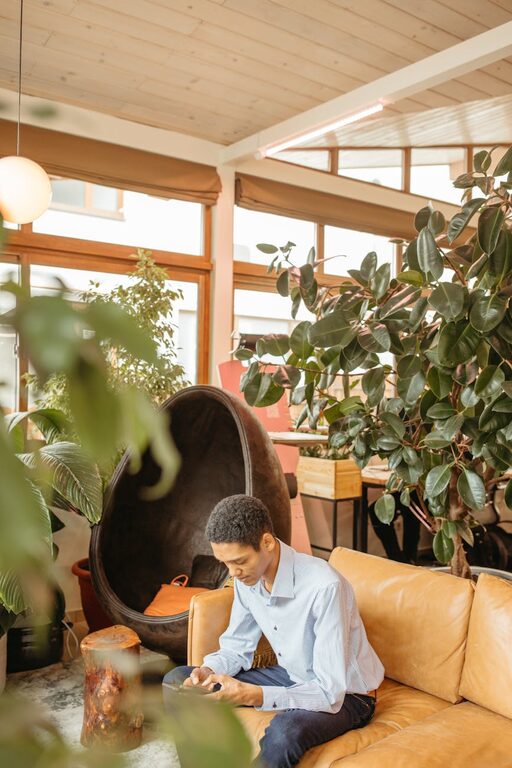
– Plants: Adding greenery improves air quality and creates a calming atmosphere.
– Soft Lighting: Use lamps or adjustable lighting to reduce harsh glare from screens.
– Personal Touches: A few inspiring photos or artwork can make the space more pleasant without overwhelming it.
– Aromatherapy: Consider subtle scents like lavender or eucalyptus to promote relaxation.
Manage Technology Wisely
Technology is essential but can also be a source of distraction or discomfort.
– Screen Position: Position your monitor at eye level to prevent neck strain.
– Cable Management: Use clips or sleeves to keep cables tidy and avoid clutter.
– Limit Notifications: Turn off unnecessary alerts to maintain focus.
Establish a Routine and Boundaries
A relaxing workspace supports a healthy work routine.
– Set Work Hours: Define clear start and finish times to create balance.
– Take Breaks: Step away regularly for short breaks to refresh your mind.
– Avoid Multitasking: Focus on one task at a time to reduce stress.
Create a Calming Color Scheme
Colors influence mood and concentration.
– Neutral Tones: Soft colors like beige, light gray, or pastel shades promote calmness.
– Avoid Overly Bright Colors: Vibrant hues might be stimulating but can also cause visual fatigue.
Incorporate Movement and Stretching
Sitting still for long periods can be tiring.
– Stretch Station: Keep a small space for stretching or yoga poses.
– Standing Desk Options: Alternate between sitting and standing throughout your day.
Prioritize Air Quality and Temperature
Comfort involves more than just furniture and lighting.
– Air Purifier: Consider using an air purifier if air quality is a concern.
– Comfortable Temperature: Keep your workspace at a comfortable temperature, neither too hot nor too cold.
Conclusion
Designing a relaxing home workspace doesn’t have to be complicated or expensive. Small changes, such as choosing the right location, adding plants, or organizing your desk, can have a big impact on your productivity and well-being. By creating a space that feels comfortable and focused, you set yourself up for success in your work and personal life.
Take the time to personalize your space and find what works best for you. Your mental and physical health will thank you for it!