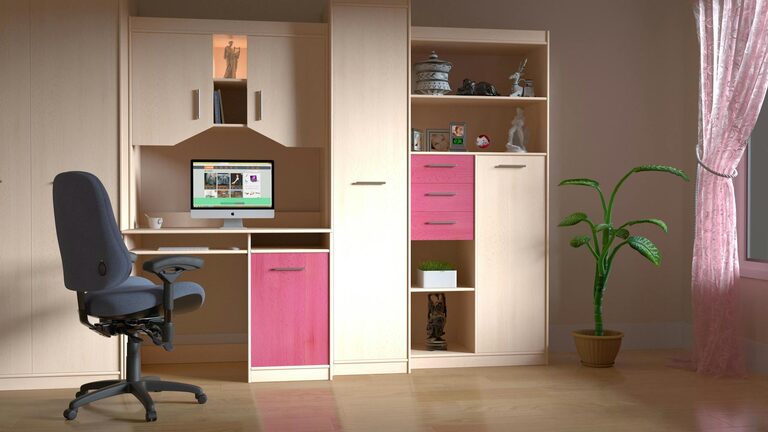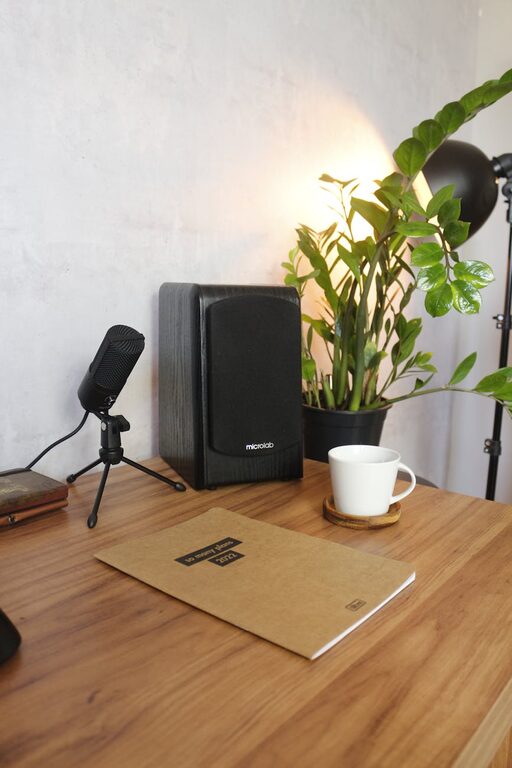











Creating an organized and clutter-free workspace can significantly impact your ability to focus, stay motivated, and boost creativity. Whether you work from home or in an office, a tidy environment helps reduce distractions and creates a positive atmosphere that supports productivity. If you’re looking to refresh your workspace or build better habits, read on for practical tips to get started.
Why a Clutter-Free Workspace Matters
A cluttered desk or workspace can cause stress and make it tough to find what you need quickly. When your environment is disorganized, your brain has to work harder to sort through distractions, which can lower your efficiency and creativity. On the other hand, a clean and well-organized space encourages clear thinking, better time management, and improved focus.
Step 1: Clear Everything Out and Start Fresh
Before you organize, it’s important to do a thorough clean-up:
– Remove everything from your desk and work area.
– Sort items into categories: keep, discard, donate, or relocate.
– Wipe down surfaces to create a fresh, inviting space.
Starting with a blank slate allows you to rethink what belongings truly belong on your desk and which can live elsewhere.
Step 2: Prioritize Essential Items
Limit the number of items on your desk to just what you regularly use:
– Keep frequently used tools or equipment within arm’s reach.
– Store less frequently used items in drawers or nearby shelves.
– Use organizers like trays or containers to keep supplies neat.
Having only essentials on your desktop reduces visual clutter and helps you focus on your tasks.
Step 3: Use Smart Storage Solutions
Investing in practical storage keeps clutter out of sight while keeping items accessible:
– Drawer dividers help separate pens, paperclips, and small items.
– Vertical file holders organize documents without taking much space.
– Shelves or cubbies allow you to store books, binders, or reference materials.
– Cable organizers prevent tangled cords and create a cleaner look.
Choose storage options based on your space and workflow.
Step 4: Keep Digital Clutter Under Control
Physical organization is important, but don’t forget about digital clutter:
– Organize files into meaningful folders.
– Regularly clean your desktop by deleting or archiving unnecessary files.
– Use productivity apps or tools to track tasks and deadlines instead of scattered sticky notes or printouts.
An organized digital workspace contributes just as much to your productivity as a tidy physical one.
Step 5: Personalize Thoughtfully
Adding personal touches can make your workspace inviting and inspiring, but keep it balanced:
– Select a few favorite photos, plants, or motivational quotes.
– Avoid overcrowding surfaces with too many decorations.
– Choose items that make you feel calm and motivated.
A personalized space that remains uncluttered supports creativity and comfort.
Step 6: Establish a Daily Cleanup Routine
Maintaining an organized workspace requires consistency:
– Spend 5–10 minutes at the end of each day tidying your desk.
– Put away stray items, organize papers, and clear trash.
– Review your task list to prepare for the next day.
Developing this habit prevents clutter buildup and starts your next workday with a fresh environment.
Step 7: Optimize Lighting and Ergonomics
A clean workspace is just one part of a productive setup. Proper lighting and ergonomic furniture support your well-being and creativity:
– Use natural light when possible and supplement with adjustable desk lamps.
– Ensure your chair and desk allow comfortable posture.
– Position your monitor at eye level to reduce strain.
A comfortable, well-lit workspace boosts energy levels and focus.
Step 8: Use Color and Layout to Inspire Creativity
The visual layout of your space can impact your mood and creative thinking:
– Use calming or energizing colors for walls or accessories depending on your preference.
– Organize your desk layout to align with your workflow (e.g., list next to your calendar).
– Consider a whiteboard or corkboard to brainstorm and organize ideas visually.
Tailor your environment so it encourages motivation and creative problem solving.
Final Thoughts
Organizing a clutter-free workspace takes time and effort, but the benefits for your productivity and creativity are well worth it. By clearing distractions, prioritizing essentials, incorporating smart storage, and maintaining a routine, you can create a space that supports your best work. Start small, be consistent, and notice how an organized environment positively influences your professional and creative achievements.